About Rafay.
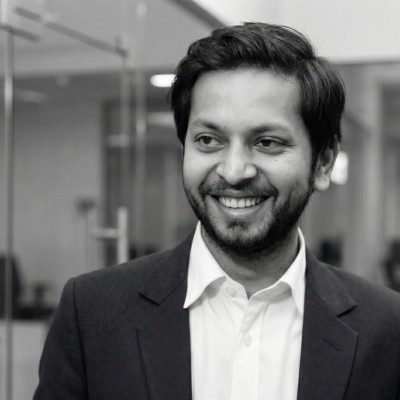
Rafay Qureshi is a growth and marketing director based in Dubai, with 14+ years building full-funnel growth engines for two of the hardest categories to market: regulated fintech and high-ticket real estate.
He currently heads Growth & Marketing at Baraka, a DFSA-regulated investing platform, reporting to the CEO. Before that he built the off-plan revenue engine at The Heart of Europe (IHG), covering the World Islands destination and the voco Monaco Dubai hotel, and at DAMAC grew digital from 6% to 14% of group sales while cutting cost of sale from 4.0% to 1.4%.
Earlier chapters: regulated crypto growth at Rain, one of the region’s first 500,000-page programmatic SEO platforms at Seera / Almosafer, ecommerce growth for Alibaba’s Daraz across South Asia, agency leadership at The Brand Crew, and large-scale SEO automation at TradeKey.
Education & certifications: Bachelor of Commerce, National College. Growth Marketing (Reforge), Google Marketing Cloud, Critical Thinking (UC Davis), Growth Hacking (LinkedIn), with ongoing work in AI engineering and agentic workflow architecture.